Easy Lunch Salads: Flavor, Protein, and Staying Full
A good lunch salad is not a bowl of lettuce with a drizzle of dressing. Done right, it keeps you full, gives you steady energy, and actually tastes like something you want to eat. Here is how we think about building one.
The Base Matters More Than You Think
Iceberg lettuce is mostly water with almost no nutritional value. Swap it for arugula, spinach, or mixed greens and you immediately get more folate, vitamin K, and iron. Shredded kale holds up well for several hours if you are packing lunch ahead.
Protein Is Non-Negotiable
Without protein, a salad is a snack. Add at least 20-25g to keep blood sugar stable through the afternoon. Good sources: grilled chicken (31g per 100g), hard-boiled eggs (13g each), chickpeas (15g per cup), or canned tuna (25g per 100g).
Fat Makes Nutrients Absorb Better
Vitamins A, D, E, and K are fat-soluble. That means you need fat in the same meal to absorb them. Avocado, olive oil, nuts, and seeds all work well here. This is the scientific case for not using fat-free dressing.
Dressing: Make Your Own
Most store-bought dressings contain added sugars, vegetable oils high in omega-6, and preservatives. A basic vinaigrette is three parts olive oil to one part acid (lemon juice or vinegar) with salt and pepper. It takes 30 seconds and tastes better.
Our Recommendation
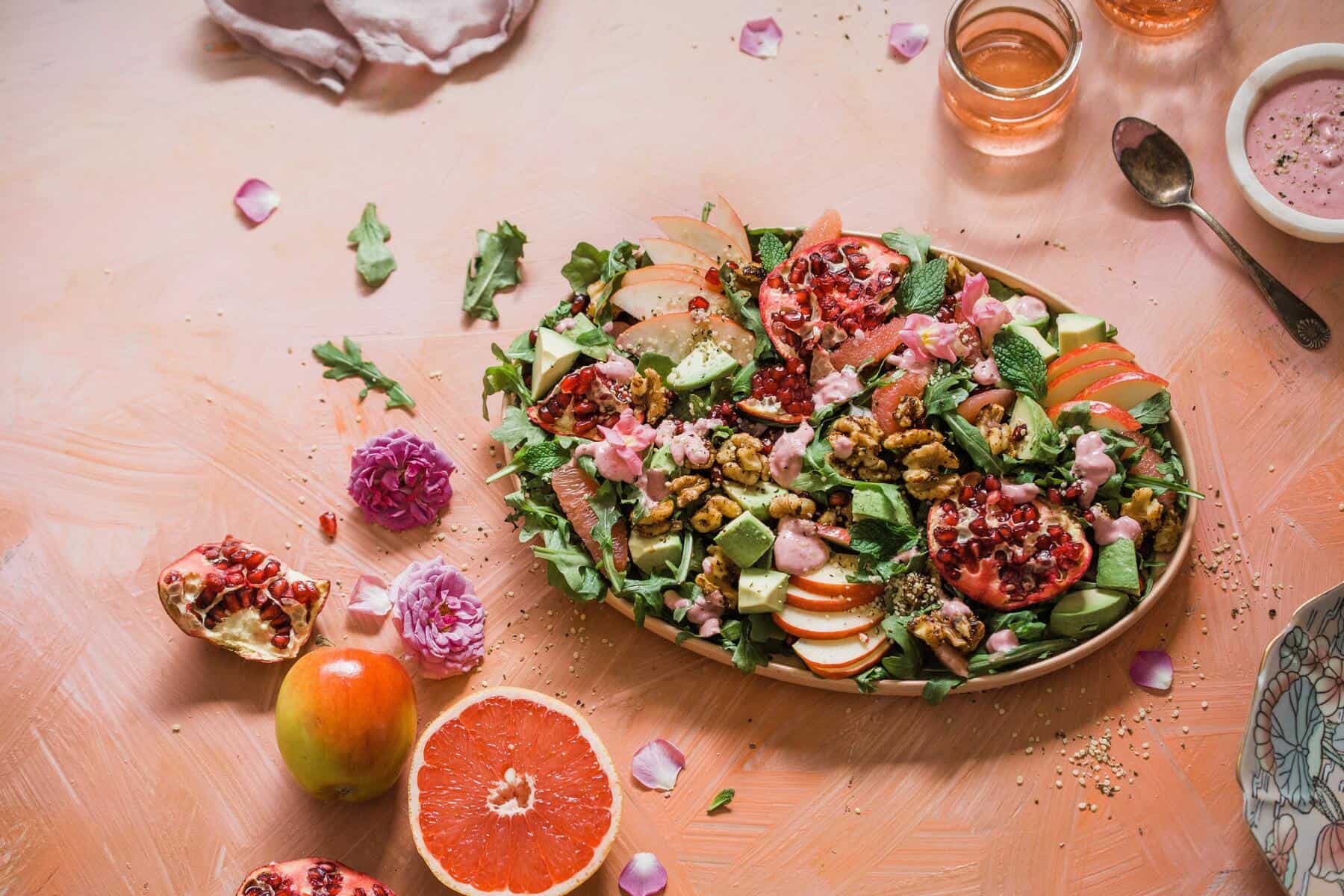
Arugula base, grilled chicken or chickpeas, cherry tomatoes, cucumber, a handful of walnuts, half an avocado, and a lemon-olive oil dressing. Simple, filling, and built on ingredients that actually deliver nutritional value.