
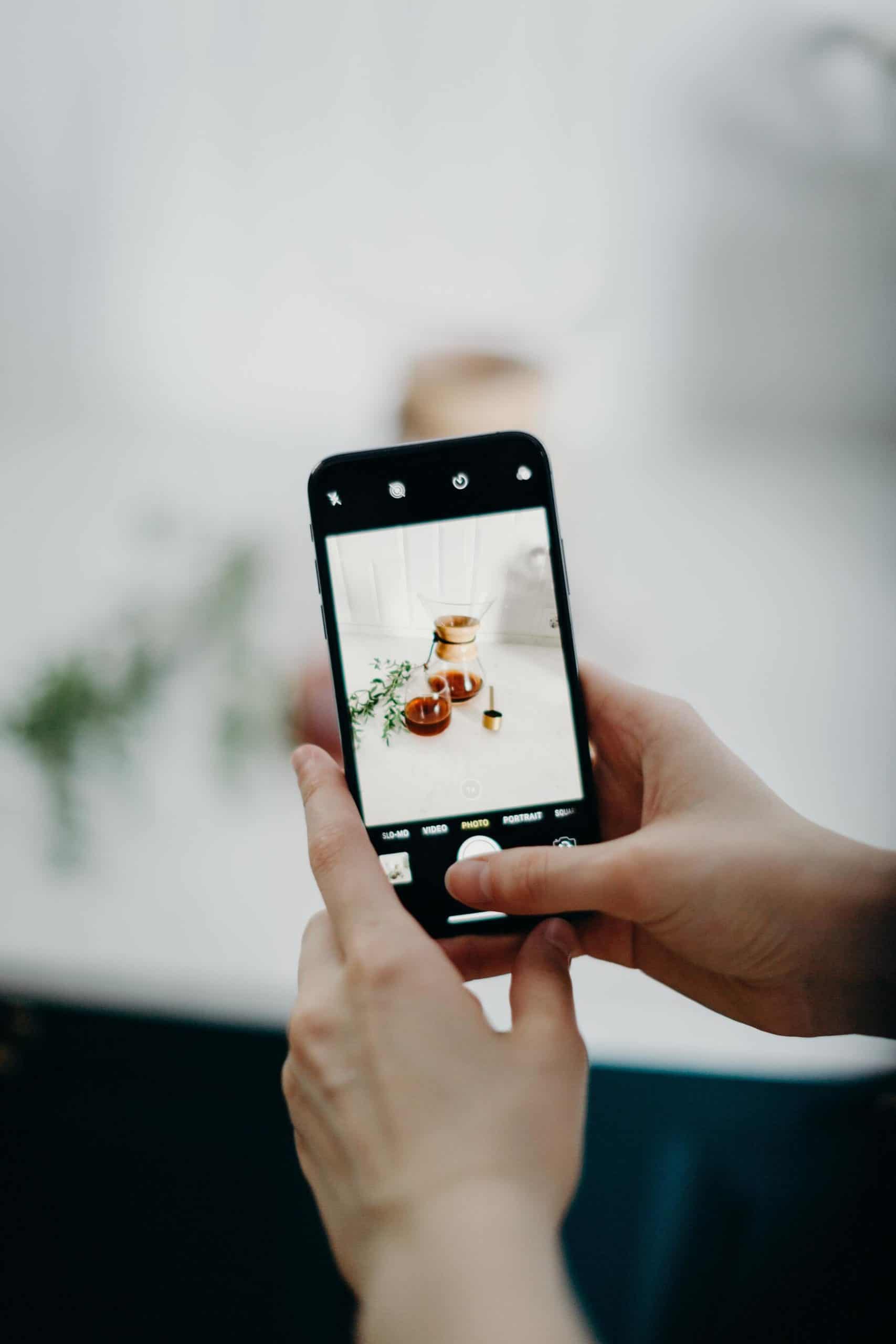
Photographing Food: How Lighting Affects How We Perceive Flavor
There is a documented relationship between how food looks and how we expect it to taste. This matters not just for photography, but for understanding why we eat what we eat.
Color and Flavor Expectations
Research from Oxford’s Crossmodal Research Laboratory has shown that color strongly influences flavor perception. A strawberry drink dyed green is consistently rated as less sweet and less strawberry-flavored, even when the formula is identical to a red version. Our brains are primed by color before the food hits our tongue.
The Maillard Reaction Looks Like Flavor
The golden-brown crust on bread, the sear on a steak, the caramelized edges of roasted vegetables — these are all the result of the Maillard reaction, a chemical process between amino acids and sugars above 140°C. Visually, browning signals depth of flavor. A pale chicken breast looks bland before you even taste it.
Lighting Changes the Story
Warm lighting (3000K range) enhances reds and yellows, making food look more appetizing. Cold blue-toned lighting flattens these cues and is actively unappetizing — which is why it shows up in diet research when subjects are meant to eat less.
Why This Matters for What You Buy
Food photography on packaging is highly controlled to trigger flavor expectations. Knowing this makes you a more skeptical consumer. The vibrant, glossy burger on the box is engineered to make your brain predict a flavor the actual product may not deliver.