Studio vs Natural Light: A Flavor Photographer’s Guide to Honest Food Imagery
Food photography is one of the most persuasive forms of advertising, and understanding how it works makes you a better consumer of food media.
Natural Light and Authenticity
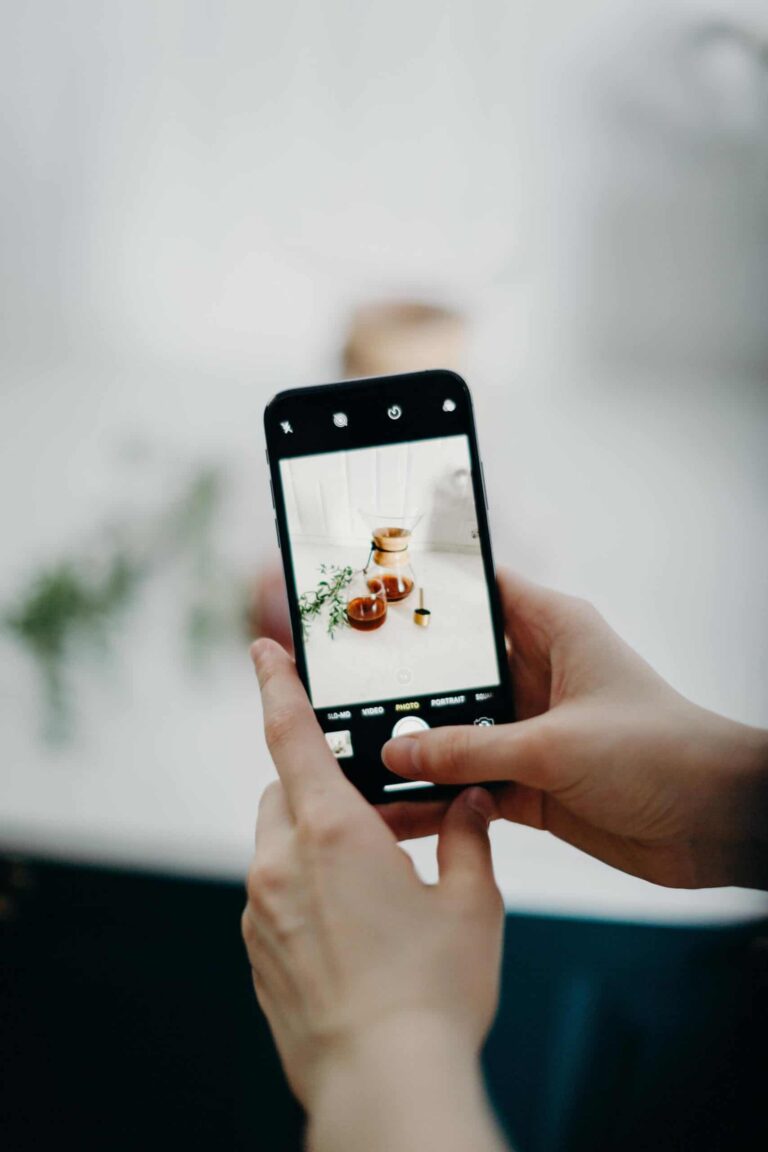
Natural north-facing light is diffused, soft, and shows food close to how it looks in real life. Colors are truer, textures are honest. This is the light professional food bloggers prefer for recipes because it builds trust.
Studio Light and Control
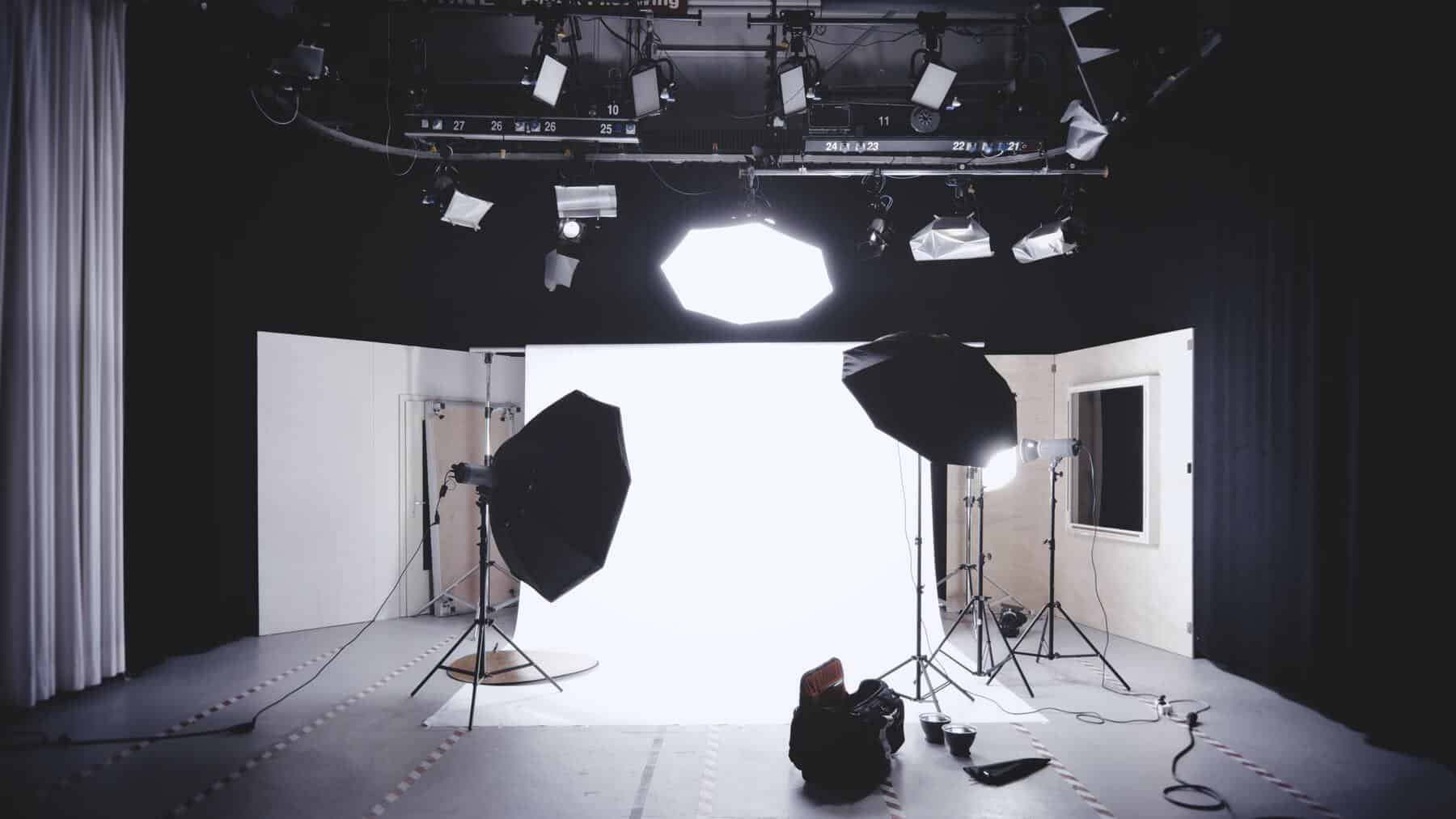
Studio setups allow complete control of shadows and highlights. A single softbox from above can make a bowl of soup look deep and rich. Two rim lights on a burger create a halo effect that adds perceived freshness. These are legitimate techniques for creating beautiful images — but they are also techniques used to make products look better than they are.
Fake Techniques You Should Know
Some commercial food photography techniques include: using motor oil instead of syrup (it does not sink into pancakes), replacing ice cream with shortening (it does not melt under studio lights), and spraying vegetables with glycerin to mimic freshness. These are legal but represent nothing real about the product.
What Good Food Photography Actually Shows
The best food photography in the context of honest nutrition content shows real ingredients in real conditions. Texture, color, and portion size should be true to what lands on your plate. We hold all product imagery in our reviews to this standard.