Plating Food 101: How Presentation Affects Perceived Taste
Multiple peer-reviewed studies confirm that how food is plated affects how it tastes, even when the food is identical. This is not a trick — it is a well-documented sensory phenomenon worth understanding.
The Science of Plate Color
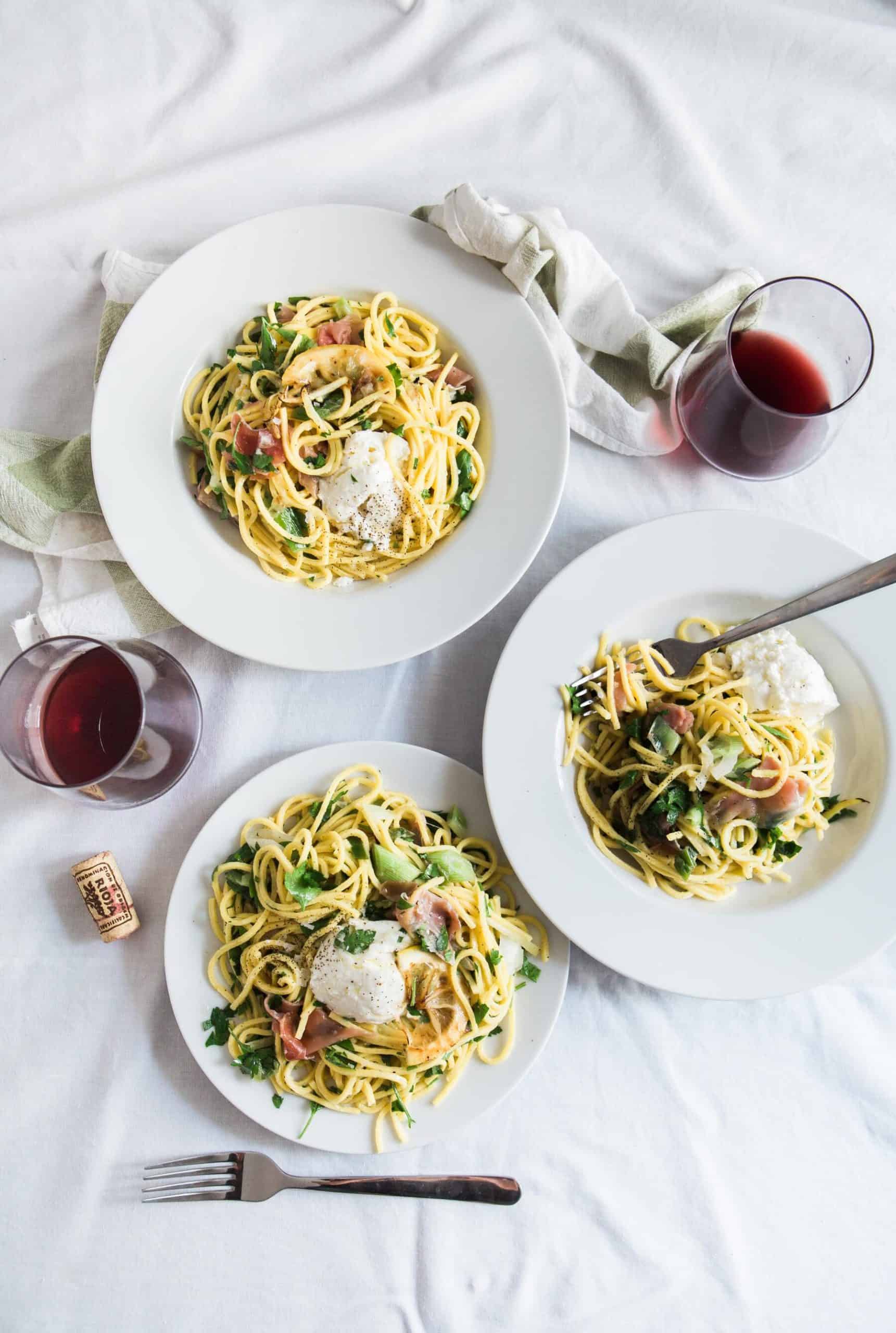
A 2013 study published in Flavour journal found that strawberry mousse tasted 10% sweeter and more flavorful when served on a white plate versus a black plate. Roundness of the plate also affected sweetness perception. These effects are real and measurable.
Portion Presentation and Satiety
Food arranged intentionally on a plate is rated as more satisfying and worth more money. The same volume of food presented as a neat arrangement versus scooped randomly creates different satiety signals. This has implications for eating less while feeling more satisfied.
Height and Complexity Signal Value
Taller food arrangements are perceived as higher quality. Sauces placed thoughtfully versus poured carelessly register as more premium. These cues evolved partly from restaurant culture where visible effort communicates care and quality.
Practical Application
You do not need to be a chef to use this. Keeping contrasting colors on the plate (protein, starch, vegetable each in different colors), adding a small garnish, and leaving some white space all make food look and taste better. It takes sixty seconds and the research says it is worth it.